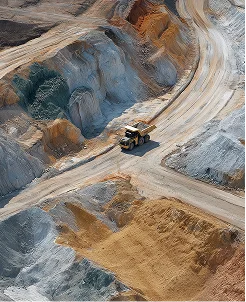
Manganese
Manganese is Eryvium’s supply foundation. The company’s manganese position supports traceable manganese sulphate materials for High-Purity Manganese Sulphate Monohydrate, Battery-Grade Manganese Carbonate (MnCO₃), and selected manganese sulphate supply opportunities.
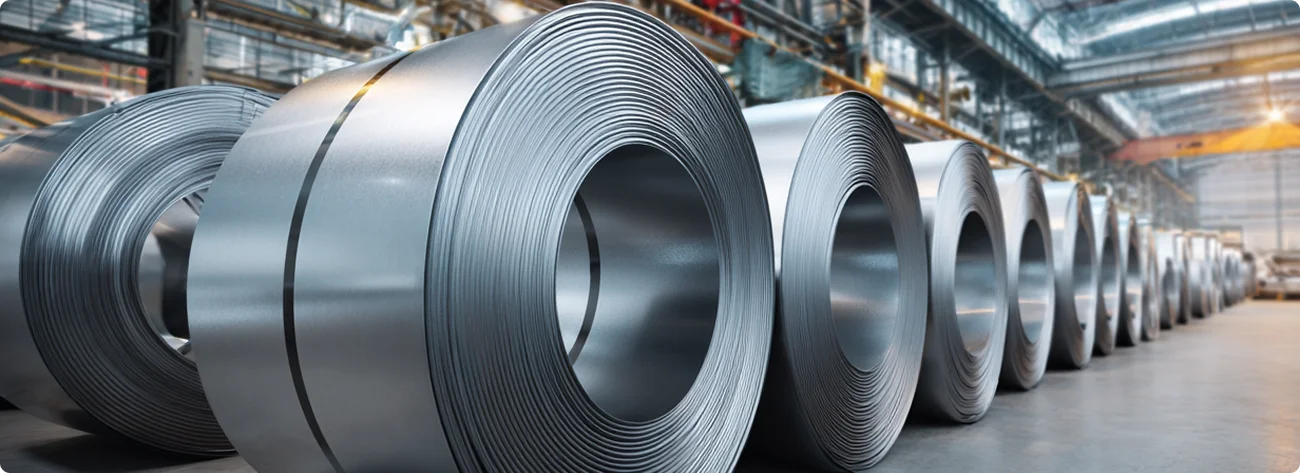

Manganese Sulphate
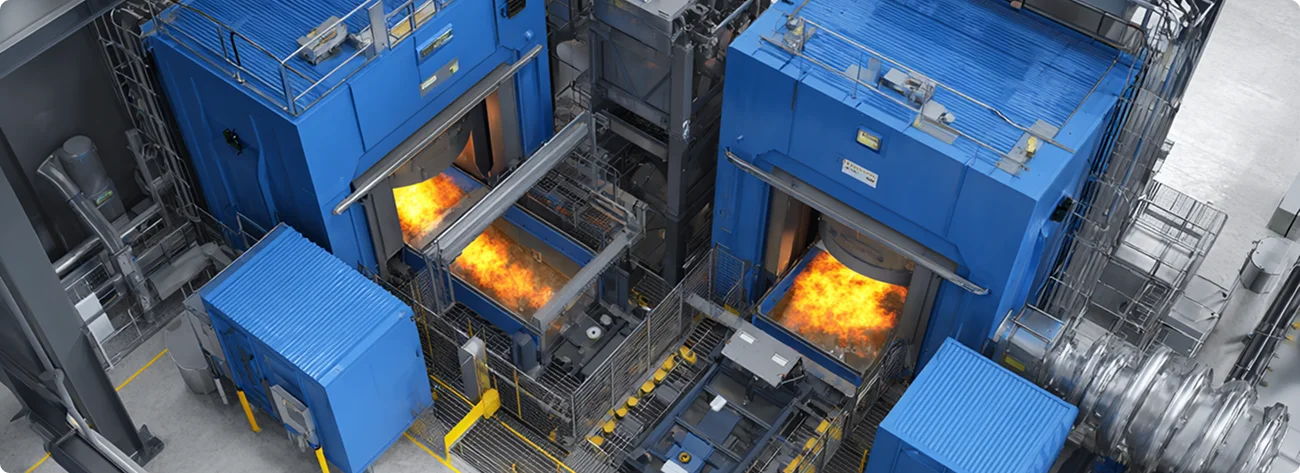

High-Purity Manganese Sulphate

Battery Materials


Manganese Carbonate
Manganese Supply for Battery Materials
Eryvium’s manganese strategy is focused on qualified supply, traceability, and commercial readiness. Manganese sources and manganese sulphate supply relationships support Eryvium’s battery-material development work and may also support selected external supply where customer requirements, documentation, and commercial terms are aligned.
The same manganese position supports High-Purity Manganese Sulphate Monohydrate, Battery-Grade Manganese Carbonate (MnCO₃), and selected manganese sulphate supply opportunities. The purpose is consistent material, documented origin, and a supply position that can support customer qualification.
Qualified manganese sources and manganese sulphate materials → battery-material development → High-Purity Manganese Sulphate Monohydrate, Battery-Grade Manganese Carbonate, and selected manganese sulphate supply
Stable Supply, Full Chain of Custody
This supply position is managed around the practical requirements of battery-material development and qualified manganese sulphate supply:
- Stable supply access — long-term manganese and manganese sulphate supply relationships
- Consistent quality — material reviewed against Eryvium’s technical and customer requirements
- Documented origin — composition and source records managed by batch
- Chain of custody — traceability from source through supply documentation
Manganese Supply and Product Pathway
RoleSupports Eryvium’s HPMSM development and selected manganese sulphate supply opportunities
Control PointLot analysis, acceptance criteria, traceability
RoleUpstream supply foundation supporting long-term material availability
Control PointProvenance, consistency, commercial reliability
RoleFirst battery-material product focus
Control PointCustomer qualification and independent verification
RoleBattery-material product route in development
Control PointProduct development, qualification pathway, market suitability
Where commercially appropriate, Eryvium may supply qualified manganese sulphate feedstock to selected industrial, chemical, and battery-material counterparties. This activity is managed selectively and depends on customer requirements, documentation, traceability, and commercial alignment.