Beneficiation Technology
Advanced mineral processing solutions combining AI-driven sorting, dry beneficiation, and modular deployment for ESG-compliant ore upgrading and multi-mineral recovery.

Transforming Lower-Grade Ores
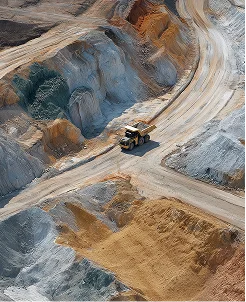
For over two decades, we’ve developed proprietary beneficiation technologies designed to unlock value from sub-economic ore deposits. Our flowsheets combine dry processing, AI-driven sensor sorting, and flotation to maximize recovery while minimizing water consumption and environmental impact.
These technologies are deployed modularly at mine sites across Africa, reducing logistics costs, enabling local value addition, and creating employment. Our approach makes previously uneconomic deposits viable while adhering to strict ESG standards.

AI-Driven Sorting
Real-time ore identification and separation
Minimal Water Use
Dry processing reduces environmental impact
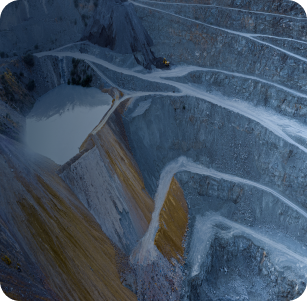
Higher Recovery
Maximize yield from lower-grade resources
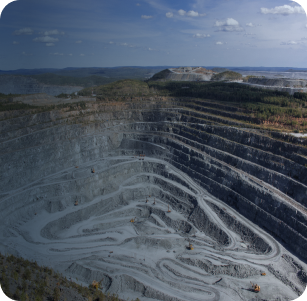
Multi-Ore Recovery
Extract multiple minerals from one stream

Our Beneficiation Portfolio
Engineered for modular deployment with rapid setup and scalability.


Dry Magnetic Separation
Zero-water dry processing using high-intensity magnetic separators to upgrade iron ore, manganese, and chrome from 35-45% to 58-65% grade.



AI-Driven Sensor Sorting
Real-time ore identification using X-ray transmission (XRT), near-infrared (NIR), and machine vision to reject waste and upgrade feed in a single pass.


Flotation & Hydrometallurgy
Selective flotation circuits for sulfides and carbonates, plus heap leaching for oxide copper and gold recovery from low-grade stockpiles.
Typical Process Flow
Our modular systems adapt to each ore body's unique characteristics.
Crushing
Size reduction to liberation size
Screening
Size classification and removal of fines
Sorting/Separation
AI sorting or magnetic separation
Concentration
Flotation or gravity concentration
Dewatering
Filtering and drying for shipping
Mineral Applications
Typical grade improvement
Iron Ore
Manganese
Chrome Ore
Copper Ore
From Ore to Battery Materials
Our beneficiation technologies enable the complete value chain from manganese ore upgrading to battery-grade High-Purity Manganese Sulfate (HPMSM) production.
The HPMSM Program leverages clean MnSO4 feedstock with modular purification systems to deliver ≥99.9% purity material for advanced cathode applications, with optional High-Purity Iron and EMD integration.
- Battery-grade quality for NMC, LMFP, LMR cathodes
- Clean feedstock approach with lower environmental impact
- Modular scale-up with regional supply security

Commercial Value with Built-In ESG Impact
Our processing approach delivers measurable business benefits while meeting the highest environmental and social standards.
Business Benefits
Our advanced beneficiation technologies deliver measurable commercial advantages by transforming operational efficiency, reducing costs, and unlocking new value streams.
Unlock Stranded Assets
Make sub-economic deposits commercially viable.
Reduce Transport Costs
Ship higher-grade concentrate, lower tonnage.
Faster Project Development
Modular systems deploy in weeks, not years.
Lower Capital Requirements
Smaller footprint and capex vs. traditional plants.
Environmental Compliance
Dry processing meets strict ESG standards.
ESG Impact
Our beneficiation technologies are designed for minimal environmental impact and maximum social benefit:
ENVIRONMENTAL ADVANTAGES:
- Zero or minimal water consumption
- No tailings dams or water discharge
- Reduced CO2 from transport efficiency
- Dry stacking of waste materials
- Smaller operational footprint
SOCIAL IMPACT:
- Local employment in processing operations
- Skills transfer and training programs
- Value addition at source communities
- Reduced dust and noise pollution